





Neuschwanstein Castle & Allgäu Photography Guide: Best Photo Spots from Marienbrücke to Alpsee
Commissioned by King Ludwig II on a rugged alpine cliff in Bavaria, Neuschwanstein Castle is the quintessential global icon of romantic architecture. Yet avoiding crowds, tour buses, and harsh lighting requires professional planning. Discover the 5 best vantage points and exact technical settings for stunning castle imagery.
Recommended Camera Setup (EXIF Recipe)
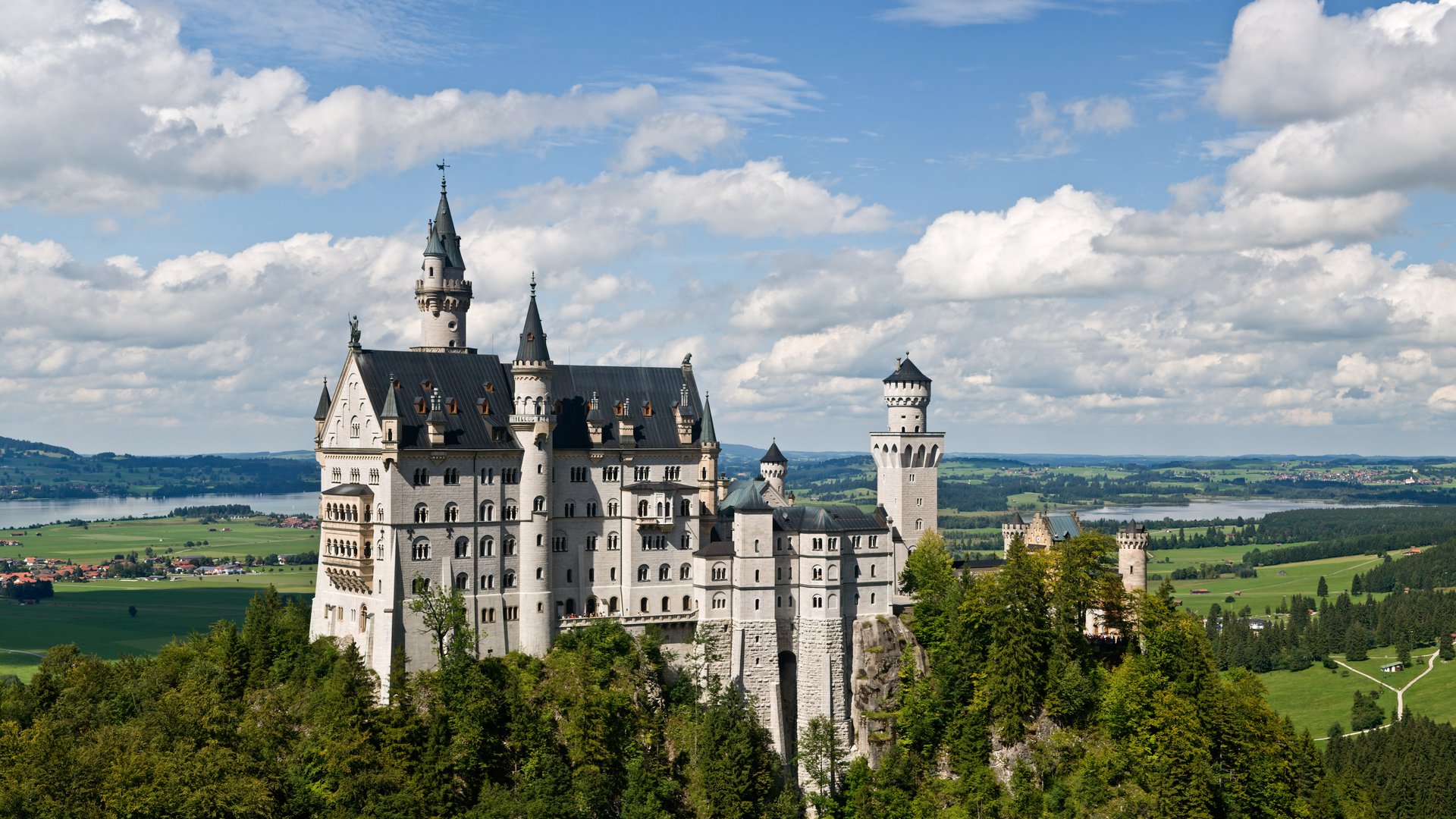
1. Marienbrücke (Mary’s Bridge): The Postcard Perspective Done Right
Suspended 90 meters above the rugged Pöllat Gorge, Marienbrücke provides the timeless lateral viewpoint seen in travel magazines worldwide. However, because the bridge is an open timber and steel suspension structure, it vibrates continuously with the foot traffic of visitors.
For photographers, this means long exposures on a tripod during open hours are practically futile. Instead, rely on fast shutter speeds of at least 1/160 second (preferably 1/250s or faster) combined with your camera’s in-body image stabilization (IBIS) to guarantee razor-sharp masonry details.
Timing the sun is crucial. In the morning, the sun rises directly behind the castle, plunging the main façade into harsh backlit shadow. By 3:30 PM (or 5:00 PM in midsummer), the sun crosses to the western sky, bathing the white limestone walls and dark slate spires in glorious, directional golden light.
- Walk to the Far End: Most visitors cluster around the first 10 meters of the bridge entrance. Walk all the way across to the far anchor point where foot traffic thins out and the angle is slightly more dramatic.
- Higher Overlook Trail: Beyond the bridge, a steep hiking path leads up toward Mount Tegelberg. After a 10-minute climb, you will find natural rocky outcrops offering elevated viewpoints looking down over the castle with zero guardrails in your frame.
- Check Closure Status: Winter ice, heavy snow, or rockfall remediation can prompt local authorities to temporarily close the bridge. Always check the official Bavarian Castle Administration website before heading up.
2. Lake Forggensee & Schwangau: Epic Alpine Telephoto Landscapes
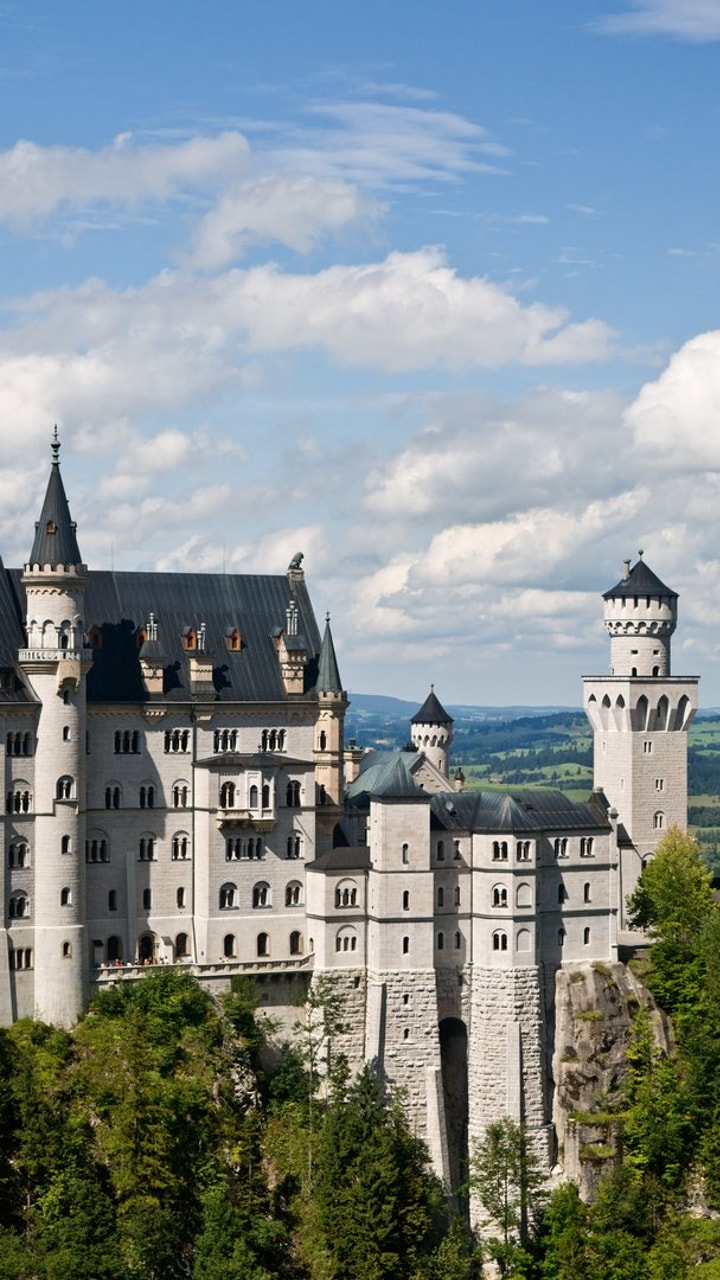
While Marienbrücke delivers close-up architectural majesty, the most evocative landscape compositions are captured from several kilometers away along the shores of Lake Forggensee or across the rolling meadows of Schwangau.
Looking south across the lake from the Füssen boat harbor or Dietringen, Neuschwanstein appears like a white jewel perched against the immense limestone wall of Mount Säuling (2,047 m).
This is the realm of the telephoto lens (70–200mm or 100–400mm). The optical compression pulls the giant mountain backdrop tight against the castle towers, producing a cinematic scale that wide-angle lenses cannot achieve.
- St. Coloman Pilgrimage Church: This baroque church stands solitary in an open meadow outside Schwangau. Positioning yourself with an 85mm or 135mm lens lets you frame St. Coloman in the foreground and Neuschwanstein majestically on the mountainside behind it.
- Spring Drawdown at Forggensee: As a reservoir, Forggensee is drained each winter. In April and May, the exposed dry lakebed with cracked mud patterns offers surreal foregrounds for castle vistas.
3. Lake Alpsee & Hohenschwangau: Royal Waters and Forest Solitude
Cradled directly below both royal castles, Lake Alpsee features translucent alpine waters fed by mountain springs. A scenic 5 km loop trail encircles the lake, hemmed in by steep beech and fir forests.
Arriving early in the morning before tour bus arrivals reveals calm waters with mirror reflections of Hohenschwangau Castle’s yellow ramparts and the distant spires of Neuschwanstein framed between tall conifers.
For lifestyle, portrait, and editorial travel shoots, the wooden boat docks at Lake Alpsee provide a tranquil, romantic alpine atmosphere away from crowded castle gates.
4. Exposure Balancing and Seasonal Recommendations
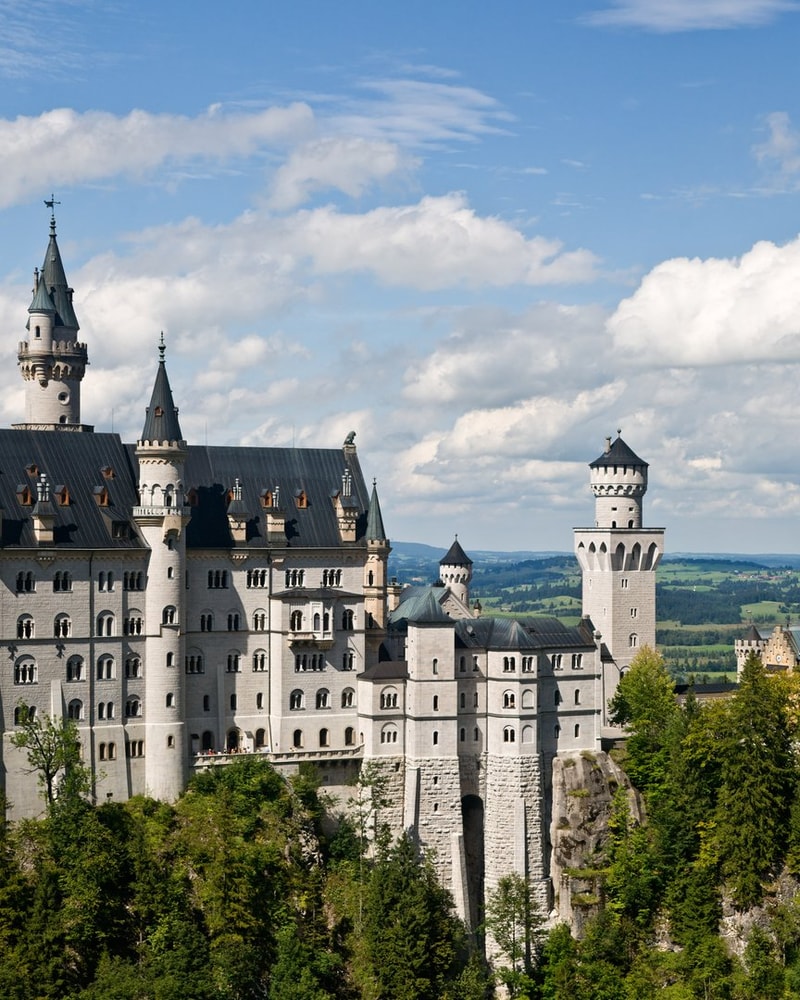
The central photographic challenge at Neuschwanstein is extreme dynamic contrast: the radiant, light-reflecting limestone walls vs. the deep dark green pine shadows of the Pöllat ravine. Shooting in RAW with ETTR (Expose to the Right) prevents blown highlight details on the towers while preserving clean forest shadows for post-processing recovery.
- Autumn (October): The surrounding deciduous foliage turns into fiery reds and oranges, creating an unforgettable palette against the white castle.
- Winter (January–February): Thick snowfall transforms Neuschwanstein into a true winter wonderland. Bring shoe micro-spikes for icy mountain paths.
- Spring: Dandelion-carpeted meadows in the valley contrast with snow-capped peaks.
Frequently Asked Questions (FAQ)
What is the best time of day to photograph from Marienbrücke?
Late afternoon, roughly 2 to 3 hours before sunset. Morning light creates harsh direct backlighting, whereas afternoon sun bathes the castle walls in warm, golden illumination.
Are tripods allowed on Marienbrücke?
Tripods are not officially banned, but in practice, dense visitor crowds and structural bridge vibrations make tripod use ineffective. High shutter speeds (1/250s+) and image stabilization work best.
How do I reach Marienbrücke?
Take the shuttle bus from the Hohenschwangau parking lot up to the lookout stop (followed by a 5-minute walk), or hike up on foot in about 35–45 minutes.
Can I fly a drone around Neuschwanstein Castle?
No. Flying recreational drones around Neuschwanstein and the surrounding Bavarian state nature reserve is strictly illegal, with active enforcement and substantial fines.
Related Photography Guides
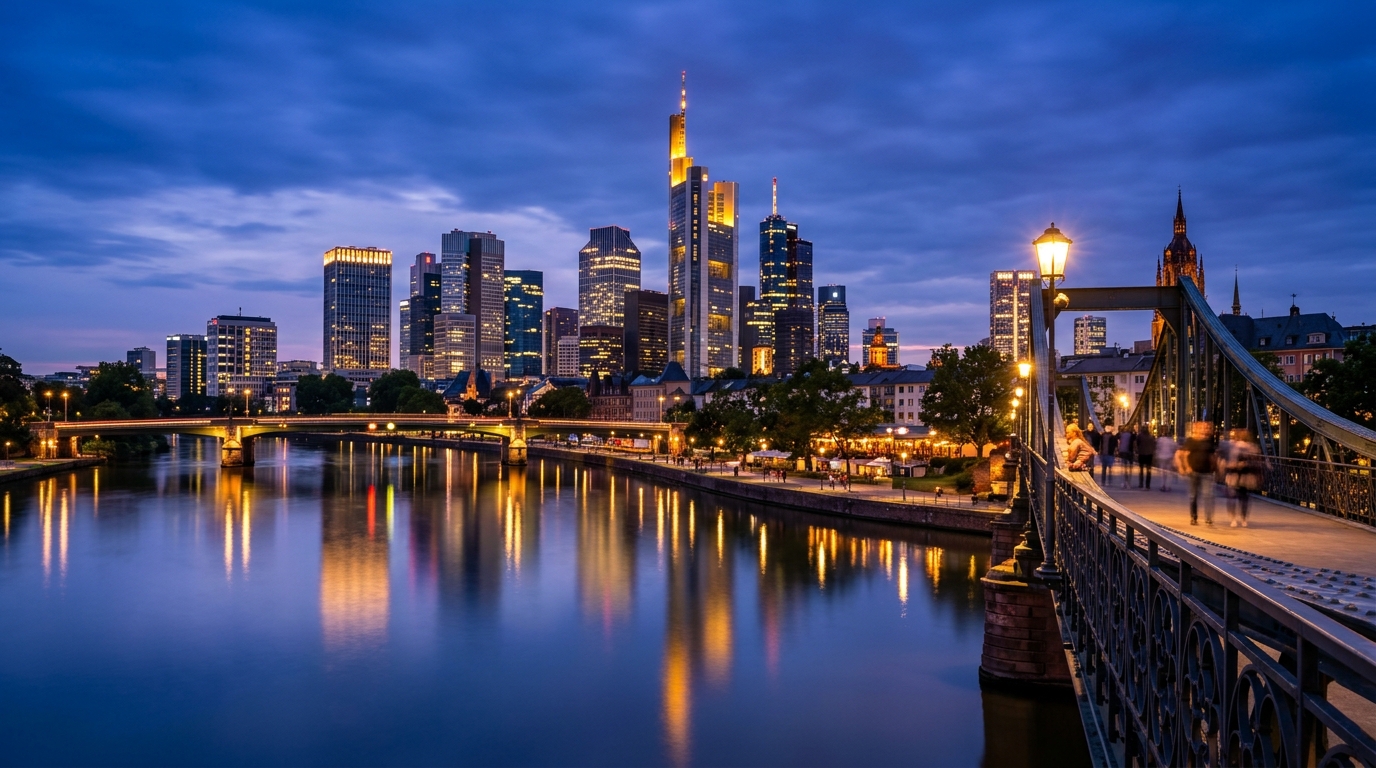
Top Photo Spots in Frankfurt: Skyline, Main Bridges, and Old Town in Perfect Light
Nicknamed "Mainhattan", Frankfurt am Main boasts Germany’s only true high-rise skyline, creating dramatic visual juxtapositions between futuristic skyscrapers, iron footbridges, and half-timbered medieval alleys.
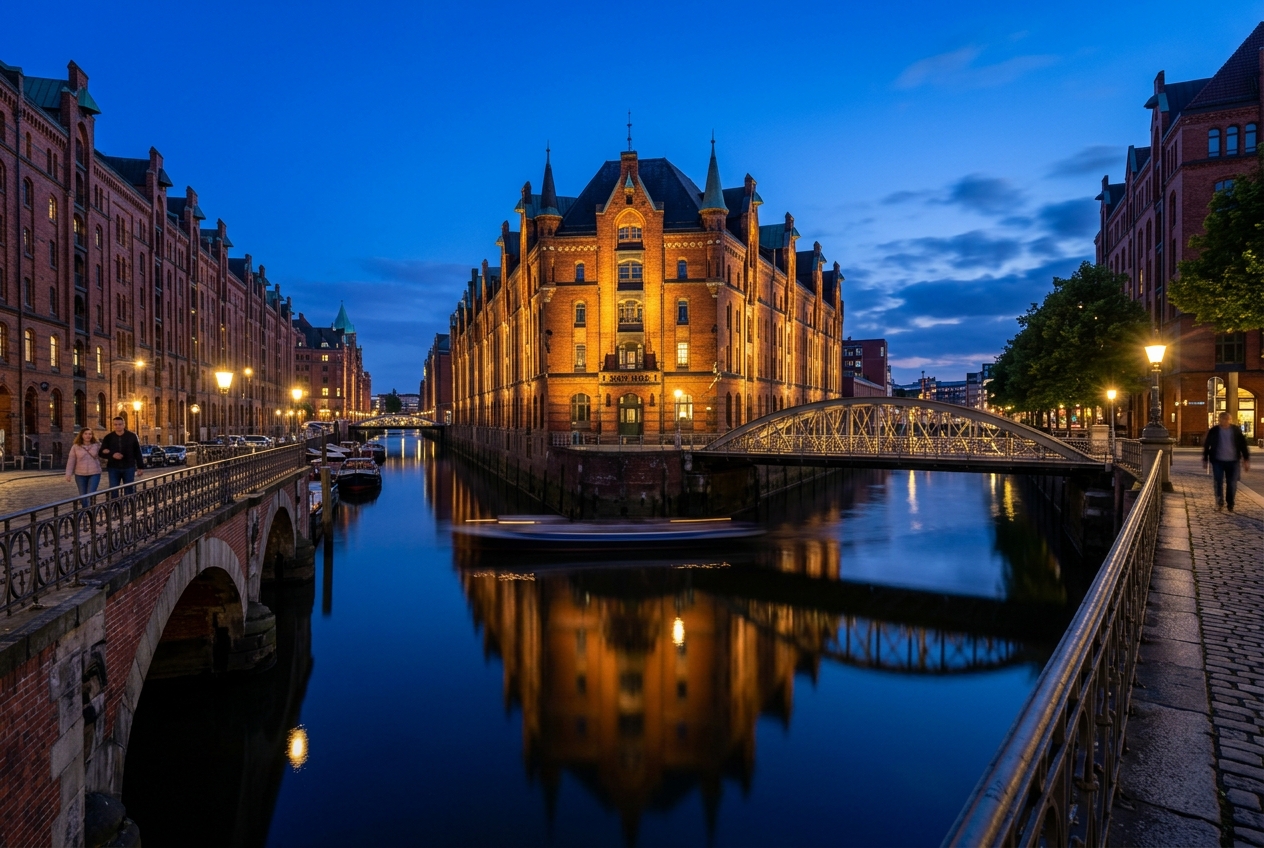
Urban Photography in Berlin & Hamburg: Speicherstadt, Oberbaumbrücke & Architecture
Berlin and Hamburg showcase two completely different philosophies of German urban photography: Berlin’s gritty street scenes and soaring Soviet-era avenues contrast against Hamburg’s historic red-brick maritime canals and ultra-modern glass harbor.
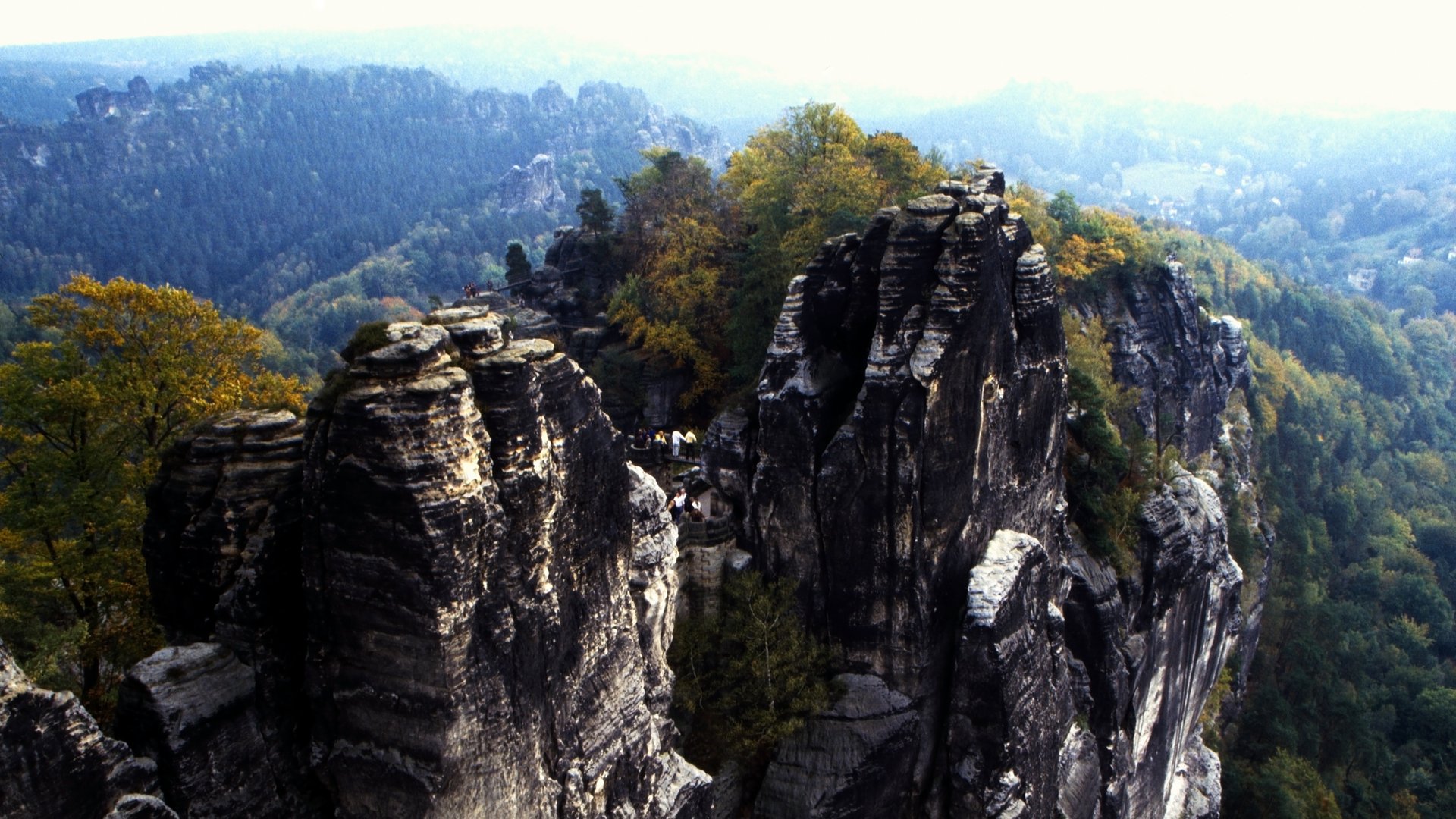
Landscape Photography in Saxon Switzerland: Bastei Bridge & Misty Peaks
Bizarre sandstone spires, deep ravines, and mythical seas of fog rolling through the Elbe River valley: Saxon Switzerland is Germany’s most dramatic setting for monumental landscape photography.